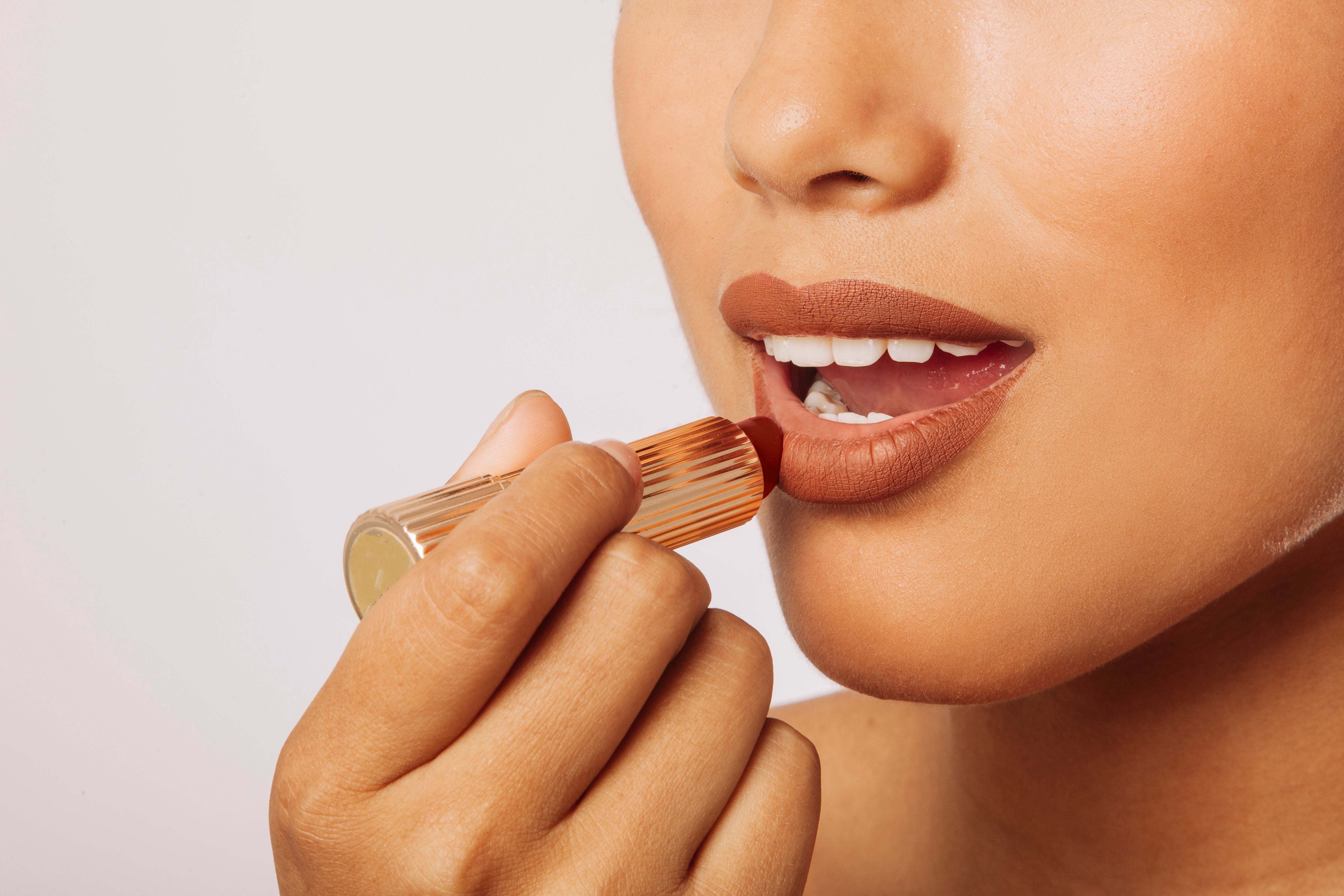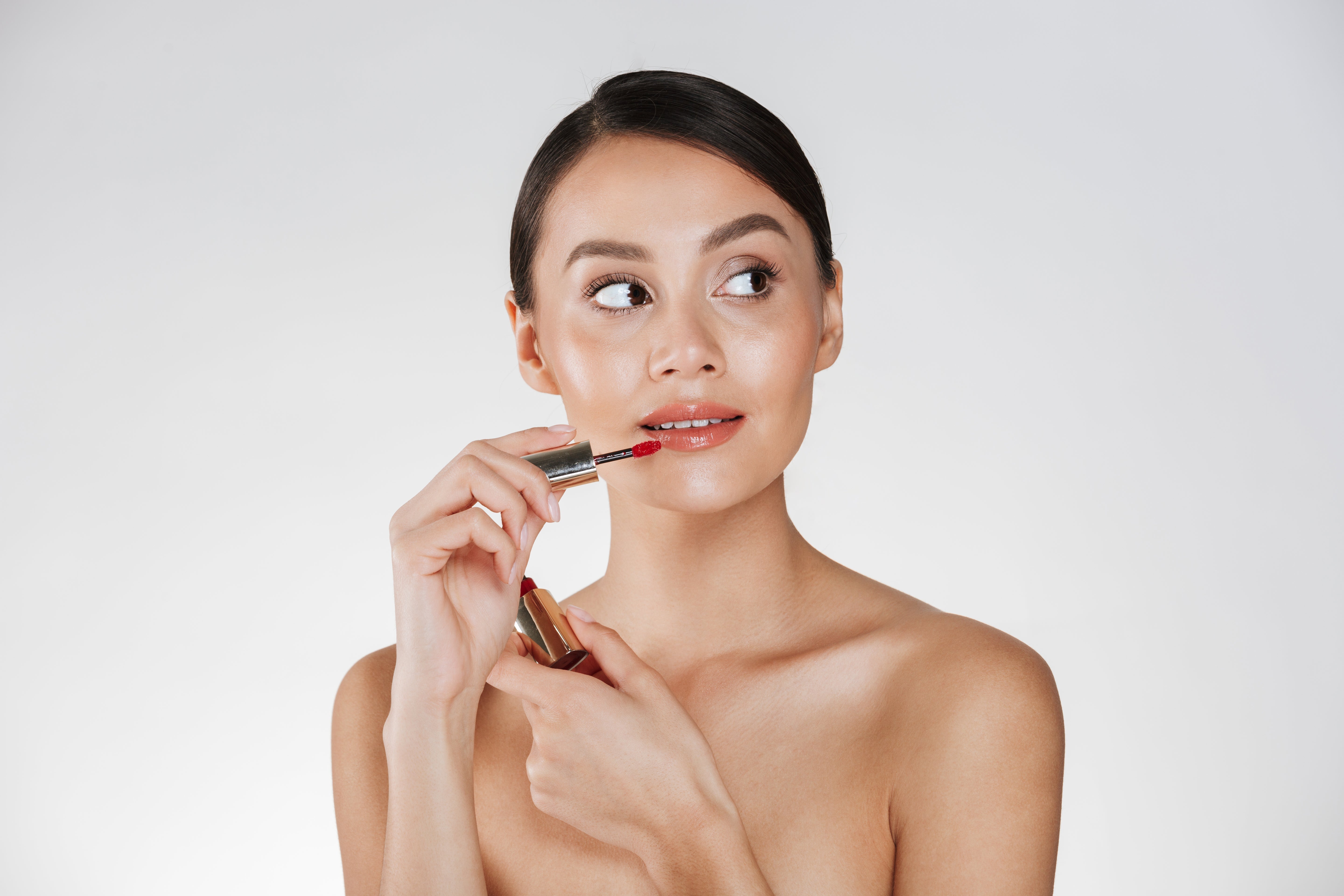

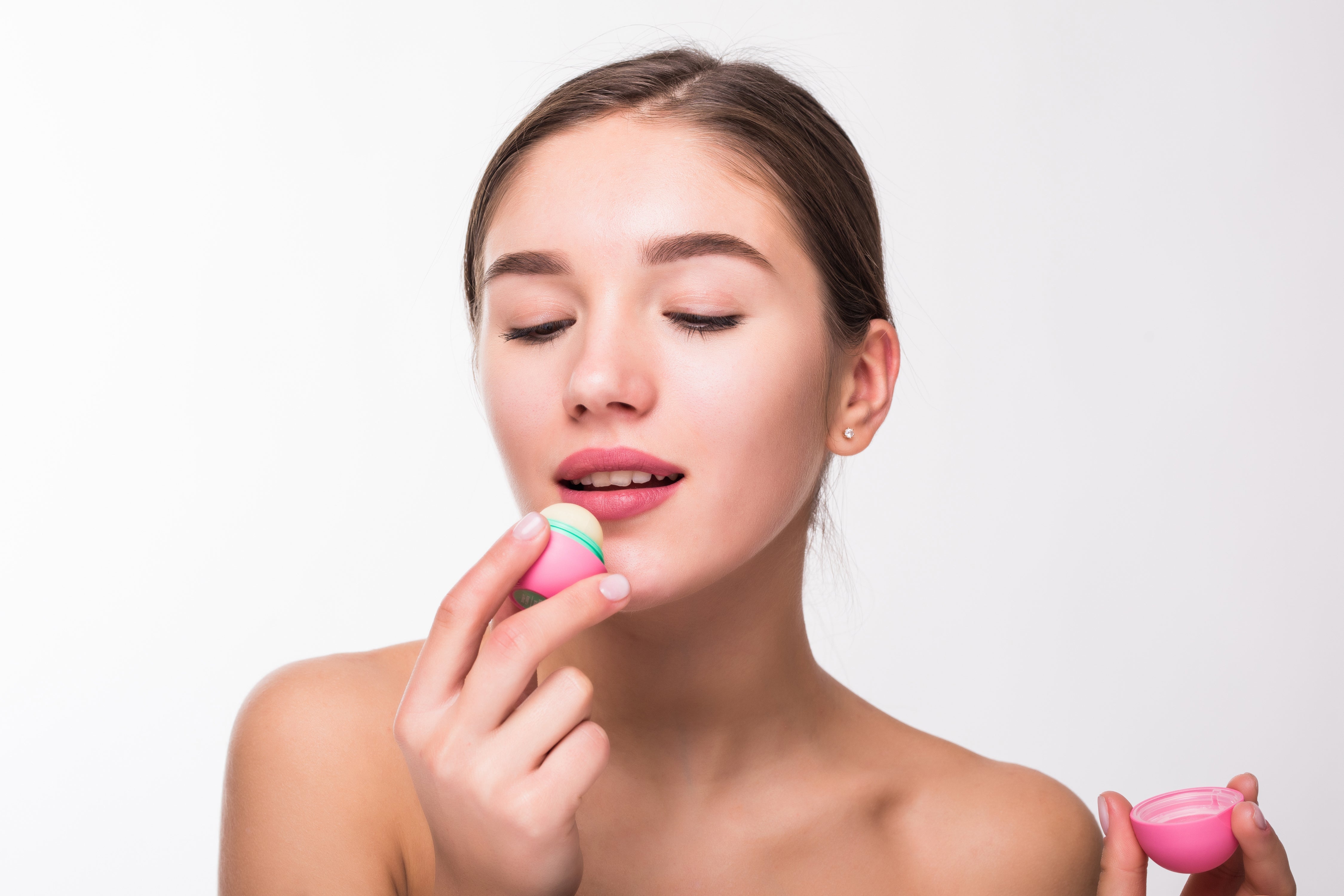
How the Best Lip Balm for Moisturising Protects and Repairs Dry Lips
Damage normally increases gradually over time, but dry lips may appear at any time. Lip moisture is removed by the sun, wind, dirt, dryness, and indoor air. Lips lack oil glands, so they cannot protect themselves naturally. This makes the lips one of the most delicate areas of facial skin. Choosing the best lip balm for moisturising becomes necessary for comfort.

Soft lips improve appearance and daily comfort in simple ways. They affect speech, smiles, and confidence during everyday interactions. Simple actions become unpleasant and unpleasant when lips are cracked. Together, moisture and mental comfort are restored by a quality lip balm.
Understanding the Real Causes of Dry and Damaged Lips
Dry lips usually develop from many small daily causes. Cold winds and dry heat weaken the lip barrier quickly. Sun exposure removes moisture and causes early skin damage. Lip licking increases dryness instead of providing relief. Low water intake causes lips to dry before other skin areas. Stress, poor sleep, and weak skincare routines worsen lip damage. Only the best lip balm for moisturising solves deeper dryness causes.
Why Regular Lip Products Often Fail
Many lip balms feel smooth but do not heal damage. Some products use fillers that comfort lips without nourishment. These formulas stay on the surface and ignore skin repair needs. A healing lip balm supports natural skin recovery. Healthy formulas improve lips instead of creating product dependence. Consistent use shows smoother, stronger, healthier lips over time.
What Defines the Best Lip Balm for Moisturising
A suitable lip balm strikes a proportion between healing, hydration, and safety. The ideal moisturizing lip balm is effective in every setting. It should provide long-lasting comfort and feel light. An excellent formula absorbs rapidly and doesn't leave behind a greasy or thick coating. It stops further moisture loss while promoting natural lip repair. Frequent treatment maintains the lips' suppleness, smoothness, and protection in a range of weather conditions.
Long-Lasting Hydration
Hydration forms the base of proper lip care. Quality ingredients pull moisture into lips and keep it inside. This stops tightness and flaking during daily activities.
Barrier Protection Against Harsh Condition
A protective layer shields lips from wind and pollution. This barrier must feel breathable, not heavy or sticky. Regular use reduces moisture loss and prevents new damage.
Repair and Renewal
Repair needs nourishing ingredients supporting skin healing. These ingredients smooth cracks and calm irritated lips gradually.
Ingredients That Truly Make a Difference
Component quality determines how well a lip balm performs. Natural and gentle elements usually give more satisfactory results.
Plant Oils and Butters
Shea butter and plant oils restore lost skin softness. They improve elasticity and reduce cracking risk.
Vitamins and Skin Nutrients
Vitamin E defends the lips from environmental stress impairment. It also helps healing and improves lip texture.
Clean and Gentle Formulations
The most suitable lip balm for moisturising avoids harsh annoyances. Gentle procedures allow lips to heal naturally without pain.
The Emotional Relief of Healthy Lips
Dry lips are ignored until pain suddenly occurs. Cracks cause stinging while eating, talking, or smiling. This discomfort quietly affects confidence throughout the day. Healthy lips create ease and natural self-assurance. Smiles feel relaxed, and conversations flow smoothly. Lip care becomes kindness rather than a cosmetic habit.
How Daily Use Repairs Lips Over Time
Consistency creates real improvement in lip condition. Occasional use only gives temporary relief. Daily application strengthens the lip barrier slowly. Morning use protects lips from outdoor damage. Night application supports deeper repair during rest. Weeks of use create smoother, stronger lips. The best lip balm for moisturising delivers lasting improvement.
Seasonal Protection Matters More Than Expected
Different seasons create different lip care challenges. Winter air dries lips faster than expected. Summer sun causes dehydration and skin damage. Indoor heating affects lips throughout the year. A good lip balm adapts to seasonal changes. Year-round use prevents severe dryness before it starts.
Why Quality Always Beats Frequent Application
Frequent reapplication signals a weak lip balm formula. The most pleasing lip balm for moisturising lasts longer. High-quality ingredients absorb better into the lips. They fix dryness instead of hiding symptoms.
Supporting Lip Care Beyond the Balm
Lip balm works best with healthy daily habits. Water intake supports moisture from inside the body. Gentle exfoliation removes dead skin layers. Sun protection prevents long-term lip damage.
Choosing Lip Care With Purpose
Lip care should feel simple and effective. The best lip balm for moisturising reflects thoughtful formulation. Clean ingredients respect sensitive lip skin. Products from Goldn Beauty focus on nourishment and comfort. Lip care becomes effortless when real needs guide formulation.
Frequently Asked Questions
Is it realistic to use lip balm every day?
Daily use is safe if the combination is gentle and free of irritating ingredients. Clean compositions are ideal for prolonged use.
Why do certain lip balms make your lips feel worse after using them?
Some lotions focus on transient soothing chemicals instead of providing genuine hydration, which results in repeated dryness after vanishing.
Can cracked lips be healed with a moisturizing lip balm?
Yes, certainly. When used regularly, nutrient-rich lip balms improve lip texture over time and encourage healing on their own.
Does using lip balm stop dryness in the future?
Regular application of the best moisturizing lip balm strengthens the barrier and reduces the risk of repeated dryness.
How often should lip balm be used to achieve the best results?
Applying lip balm two or three times a day is usually enough. During severe weather or prolonged dry spells, further consumption may be advantageous.